





How to reduce oxalate in food
Four changes that lower the oxalate in a meal, and how much each one helps, from published measurements.
Key takeaways
- Boiling and draining removes some oxalate from many vegetables, and almost none from others.
- Halving a portion halves the oxalate, for every food.
- A similar lower-oxalate food is often the biggest saving.
- Calcium in the same meal binds some oxalate in the gut.
Why the same food can hold more or less
Oxalate is made by the plant, so the amount depends on the variety, how it was grown and when it was picked. What you do in the kitchen changes it too: some of the oxalate in a food dissolves in water, and some is bound up and stays put. That's why boiling helps some foods a lot and others hardly at all, and why the biggest lever is usually choosing a lower-oxalate food or eating less of a high one.
Boil and drain
Boiling in plenty of water and pouring the water away removes some of the oxalate that dissolves. In the studies we use, it removed the most from fennel bulb, cauliflower, carrots, spinach and bamboo shoots (around half or more). For kidney beans, papaya, potatoes and soybeans it barely changed anything. Steaming and roasting don't pour any water away, so they remove less.
| Food | Oxalate kept after boiling | Removed |
|---|---|---|
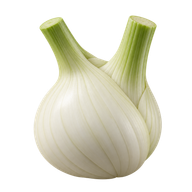 Fennel bulb | ~27% | ~73% |
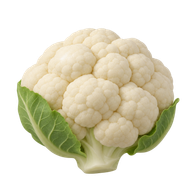 Cauliflower | ~30% | ~70% |
 Carrots | ~47% | ~53% |
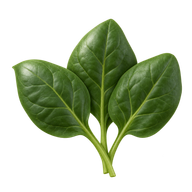 Spinach | ~48% | ~52% |
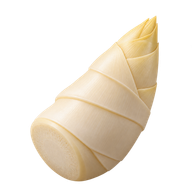 Bamboo shoots | ~49% | ~51% |
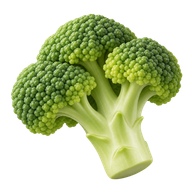
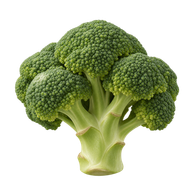 Broccoli | ~63% | ~37% |
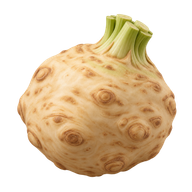 Celery root | ~66% | ~34% |
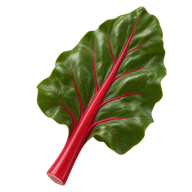 Chard | ~67% | ~33% |
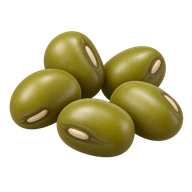 Mung beans | ~69% | ~31% |
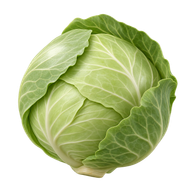 Cabbage | ~71% | ~29% |
 Eggplant | ~74% | ~26% |
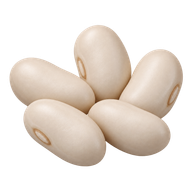 Navy beans | ~74% | ~26% |
 Green beans | ~76% | ~24% |
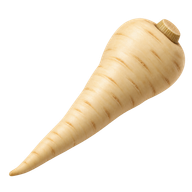 Parsnips | ~77% | ~23% |
 Rhubarb | ~77% | ~23% |
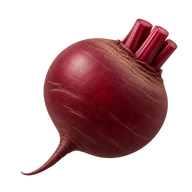 Beets | ~89% | ~11% |
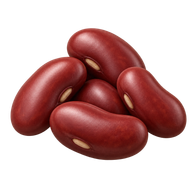
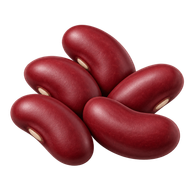 Kidney beans | ~98% | ~2% |
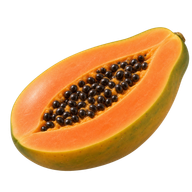 Papaya | ~100% | ~0% |
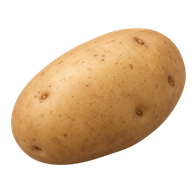 Potatoes | ~100% | ~0% |
 Soybeans | ~100% | ~0% |
Share of total oxalate kept after boiling and draining, from raw-and-boiled measurements of the same food in the same study. Estimates.
Eat a smaller portion
Halving a portion halves the oxalate. It sounds obvious, but it's the step that works for every food, including the ones boiling doesn't help. For example, a typical serving of spinach (1 cup, 30 g) has about 293 mg; half of it has about 147 mg. Using a high-oxalate food as a garnish rather than the base of a meal keeps the amount down without giving it up.
Swap it for a lower-oxalate food
Often the easiest change is a similar food with much less oxalate. The same amount of kale has about 1.4 mg where spinach has 293 mg. Our swap pages list lower-oxalate substitutes for common high-oxalate foods, compared fairly, and the comparisons put two foods side by side.
Pair it with calcium
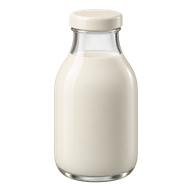
Calcium in the same meal binds some oxalate in the gut, so less of it is absorbed. It doesn't change the amount in the food, and it only works when the two are eaten together, not hours apart. Milk, yogurt, cheese and other calcium-rich foods are the usual choices; our list of low-oxalate foods high in calcium has more.
Questions
Does cooking remove oxalate?
Boiling and draining removes some: in the studies we use it removed 73% from fennel bulb and almost none from kidney beans, papaya, potatoes and soybeans. Steaming and roasting remove less because no water is poured away.
Does soaking remove oxalate?
Published studies report that soaking lowers oxalate in some foods, such as soybeans, by leaching it into the water. We don't have enough paired measurements to put a number on it, so we don't show one.
Is raw or cooked spinach lower in oxalate?
Boiled and drained spinach is lower than raw: in the studies we use, boiling kept about 48%. It's still very high, so a smaller portion or a swap matters more.