

Boil and drain
Boil it, then pour the water away. Steaming and roasting remove less.
In the studies we use, boiling and draining kept about 47% of the oxalate in carrots.
How much it helps: ~53% less

Yes. Carrots are high in oxalate: about 29 mg per 100 g. A typical serving, 1 medium (61 g), has about 18 mg.
Levels are per 100 g. A large typical serving that holds a lot counts as at least High. The scale is compressed above 100 mg.

Carrots, raw, with calcium alongside.
| Serving | Oxalate | Calcium |
|---|---|---|
| 100 g | ~29 mg | ~33 mg |
| 1 medium (61 g) | ~18 mg | ~20 mg |
| 1 cup chopped (128 g) | ~37 mg | ~42 mg |
| 1 cup grated (110 g) | ~32 mg | ~36 mg |
| 1 cup strips or slices (122 g) | ~35 mg | ~40 mg |
| 1 large (7-1/4" to 8-/1/2" long) (72 g) | ~21 mg | ~24 mg |
Estimates. Real values vary with variety, growing conditions and preparation.
Ways to get less oxalate from carrots. Estimates; they add up when combined.
Boil it, then pour the water away. Steaming and roasting remove less.
In the studies we use, boiling and draining kept about 47% of the oxalate in carrots.
Make it a side or a garnish rather than the base of the meal.
A full serving (1 medium) has about 18 mg.
Have a calcium-rich food, like yogurt, milk or cheese, in the same meal.
Calcium binds some oxalate in the gut when it’s eaten in the same meal, not hours later.
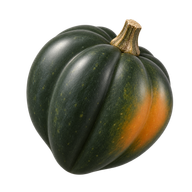
Use a lower-oxalate food from the same group, like acorn squash.
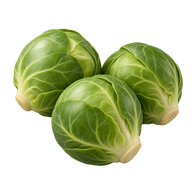
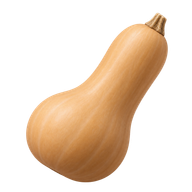
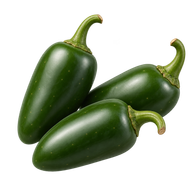
Vegetables with less oxalate per 100 g.
~33 mg
calcium per 100 g · ~20 mg in 1 medium
The same food can measure two or three times higher in one sample than another. Where the studies we use disagree, we show the range, and the typical value sits inside it.
Some varieties store more oxalate than others.
Soil, sunlight and harvest time change levels.
Labs measure soluble or total oxalate in different ways.