


Low-oxalate foods high in calcium: 28 with at least 100 mg per serving
28 everyday foods in the app are Low in oxalate and give at least 100 mg of calcium in a typical serving (baking ingredients and spices are left out). Calcium in the same meal binds some oxalate in the gut, which is why people lowering oxalate often look for these. Updated Oct 6, 2026. How we estimate: Methodology
The most calcium per serving: coconut milk beverage, ready-to-drink protein shake, oat milk, sardines and Parmesan.
Most calcium per serving
| Food | Calcium per serving | Oxalate level | Typical serving and its oxalate |
|---|---|---|---|
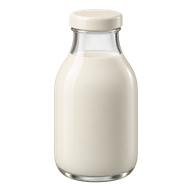 Coconut milk beverage1 cup (240 g) | ~451 mg | Low | 1 cup (240 g) · Little or none |
 Ready-to-drink protein shake1 bottle (11 fl oz) (325 g) | ~422 mg | Low | 1 bottle (11 fl oz) (325 g) · Little or none |
| Oat milk1 cup (8 fl oz) (240 g) | ~355 mg | Low | 1 cup (8 fl oz) (240 g) · ~3.6 mg |
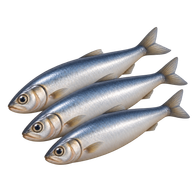 Sardines1 can (3.75 oz) (92 g) | ~351 mg | Low | 1 can (3.75 oz) (92 g) · Little or none |
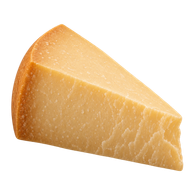 Parmesan1 oz (28 g) | ~336 mg | Low | 1 oz (28 g) · Little or none |
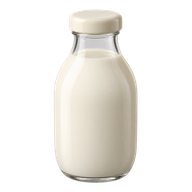 Kefir1 cup (243 g) | ~316 mg | Low | 1 cup (243 g) · Little or none |
| Plain yogurt1 container (6 oz) (170 g) | ~311 mg | Low | 1 container (6 oz) (170 g) · Little or none |
| Milk, 1%1 cup (244 g) | ~305 mg | Low | 1 cup (244 g) · Little or none |
| Milk, skim1 cup (245 g) | ~299 mg | Low | 1 cup (245 g) · Little or none |
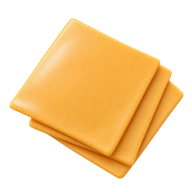 American cheese1 oz (28 g) | ~296 mg | Low | 1 oz (28 g) · Little or none |
| Milk, 2%1 cup (244 g) | ~293 mg | Low | 1 cup (244 g) · Little or none |
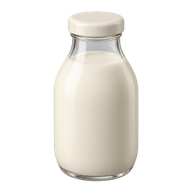 Buttermilk1 cup (245 g) | ~284 mg | Low | 1 cup (245 g) · Little or none |
| Rice milk8 fl oz (approximate weight, 1 serving) (240 g) | ~283 mg | Low | 8 fl oz (approximate weight, 1 serving) (240 g) · <1 mg |
| Powdered milk1/3 cup (makes 1 cup reconstituted milk) (23 g) | ~283 mg | Low | 1/3 cup (makes 1 cup reconstituted milk) (23 g) · Little or none |
| Milk, whole1 cup (244 g) | ~276 mg | Low | 1 cup (244 g) · Little or none |
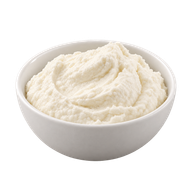 Ricotta1/2 cup (124 g) | ~255 mg | Low | 1/2 cup (124 g) · Little or none |
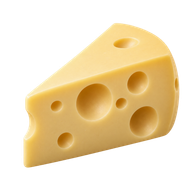 Swiss cheese1 oz (28 g) | ~252 mg | Low | 1 oz (28 g) · Little or none |
| Provolone1 oz (28 g) | ~214 mg | Low | 1 oz (28 g) · Little or none |
| Monterey Jack1 oz (28 g) | ~211 mg | Low | 1 oz (28 g) · Little or none |
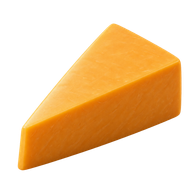 Cheddar1 oz (28 g) | ~201 mg | Low | 1 oz (28 g) · Little or none |
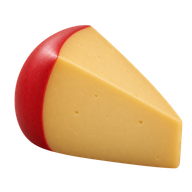 Gouda1 oz (28 g) | ~198 mg | Low | 1 oz (28 g) · Little or none |
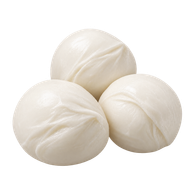 Mozzarella1 oz (28 g) | ~198 mg | Low | 1 oz (28 g) · Little or none |
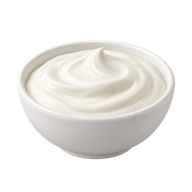 Greek yogurt1 container (170 g) | ~187 mg | Low | 1 container (170 g) · Little or none |
| Whey protein powder1/3 cup (32 g) | ~150 mg | Low | 1/3 cup (32 g) · Little or none |
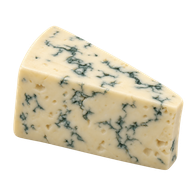 Blue cheese1 oz (28 g) | ~150 mg | Low | 1 oz (28 g) · Little or none |
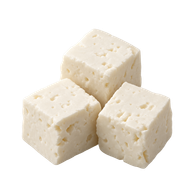 Feta1 oz (28 g) | ~140 mg | Low | 1 oz (28 g) · Little or none |
| Sweetened condensed milk1 fl oz (38 g) | ~108 mg | Low | 1 fl oz (38 g) · Little or none |
 Rice pudding1 cup (4 oz) (113 g) | ~107 mg | Low | 1 cup (4 oz) (113 g) · ~2.1 mg |
How this list works
Foods are ranked by the calcium in a typical serving, and all of them are Low in oxalate in the Oxamate app's levels. The values and levels are the ones the Oxamate app uses. Low is under 5 mg per 100 g, Moderate 5 to 25, High 25 to 100 and Very high 100 or more; drinks use half those per 100 ml (2.5, 12.5 and 50 mg). A large typical serving that holds a lot counts as at least High. Real values vary with variety and preparation, so treat them as estimates.
How we estimate oxalate: MethodologyQuestions
Which low-oxalate foods have the most calcium?
Coconut milk beverage: ~451 mg in 1 cup; Ready-to-drink protein shake: ~422 mg in 1 bottle (11 fl oz); and Oat milk: ~355 mg in 1 cup (8 fl oz).
Why pair calcium with oxalate?
It's well established that calcium eaten in the same meal binds some oxalate in the gut, so less of it is absorbed. It doesn't change the amount in the food.