






Rice milk vs almond milk: which has less oxalate?
Updated Oct 6, 2026. How we estimate: Methodology
Rice milk has less oxalate: <1 mg per 100 ml, against ~11 mg for almond milk. In a typical serving: <1 mg in 8 fl oz (approximate weight, 1 serving) of rice milk, and ~30 mg in 1 cup of almond milk.
Side by side
| Measure | Rice milk | Almond milk |
|---|---|---|
| Level | Low | High |
| Oxalate per 100 ml | <1 mg | ~11 mg |
| Oxalate per typical serving | <1 mg in 8 fl oz (approximate weight, 1 serving) | ~30 mg in 1 cup |
| Range across studies | — | — |
| Calcium per 100 ml | ~118 mg | ~184 mg |
| Where the value comes from | Calculated from published data | Calculated from published data |
The better value in each row is highlighted: less oxalate, more calcium. Estimates; real values vary with variety, growing conditions and preparation.
When to choose which
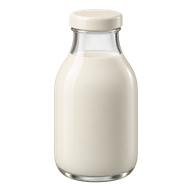
Choose rice milk
- Less oxalate: <1 mg per 100 ml, <1 mg in 8 fl oz (approximate weight, 1 serving).
- Low in oxalate.
Choose almond milk
- More calcium: ~184 mg per 100 ml.
On the same scale
Where each typical value sits on the level scale, with the range across studies.
Rice milk, per 100 ml, as sold, per 100 mL
Typical <1 mg
<1
Almond milk, per 100 ml, as sold, per 100 mL
Typical ~11 mg
11
Levels are per 100 ml. A large typical serving that holds a lot counts as at least High. The scale is compressed above 50 mg.